Automated Solutions: Driving Efficiency and Innovation in Manufacturing
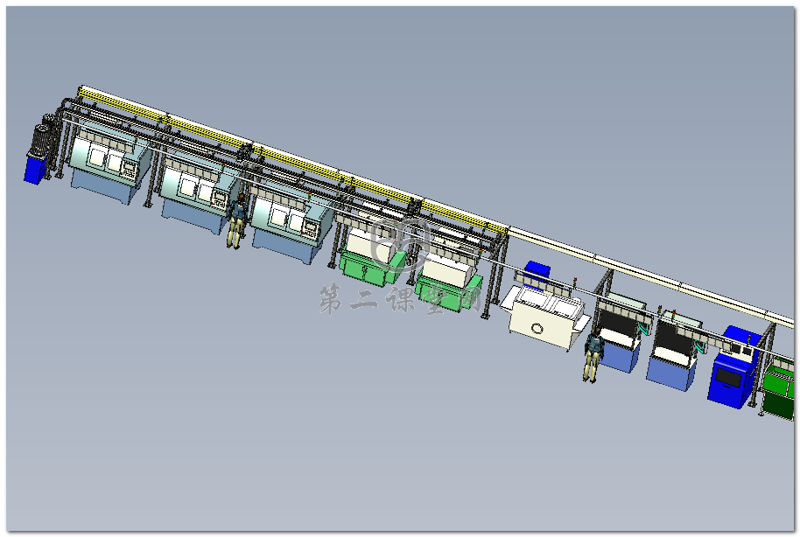
When discussing the future of manufacturing, one cannot overlook the significance of automation. As technology advances, so do our approaches to improving productivity and efficiency. In this article, we will explore various automated solutions that are reshaping industries across the globe.
Firstly, let's delve into the realm of smart control systems. These cutting-edge technologies enable real-time monitoring and adjustment of processes, ensuring optimal performance and minimizing errors. Compared to traditional manual controls, smart systems offer unparalleled precision and reliability.
- Advantages: Reduced human error, enhanced system efficiency, and improved data accuracy
- Disadvantages: Higher initial cost, technical complexity, and potential cybersecurity risks
In contrast, non-standard automation lines provide tailored solutions to meet specific production needs. While they require more customization, these bespoke systems can significantly streamline complex manufacturing processes.
- Advantages: Flexibility in design, enhanced adaptability, and optimized workflow for unique requirements
- Disadvantages: Higher development costs, longer setup times, and potential compatibility issues with existing infrastructure
To illustrate the impact of these solutions, consider a scenario where a company is transitioning from traditional manual operations to an automated system. The initial investment may be substantial, but over time, the benefits in terms of reduced downtime, increased output, and improved product quality far outweigh the costs.
Moreover, integrating artificial intelligence (AI) into automation further amplifies these advantages by enabling predictive maintenance, dynamic process optimization, and advanced analytics for continuous improvement. However, it's crucial to address concerns around job displacement and the need for retraining employees to operate new technologies effectively.
In conclusion, while there are challenges associated with implementing automated solutions, the long-term benefits make them indispensable in today's competitive manufacturing landscape. By embracing these innovations, businesses can not only enhance their operational efficiency but also gain a strategic edge over competitors.