Automation Solutions: Bridging the Gap in Industrial Efficiency
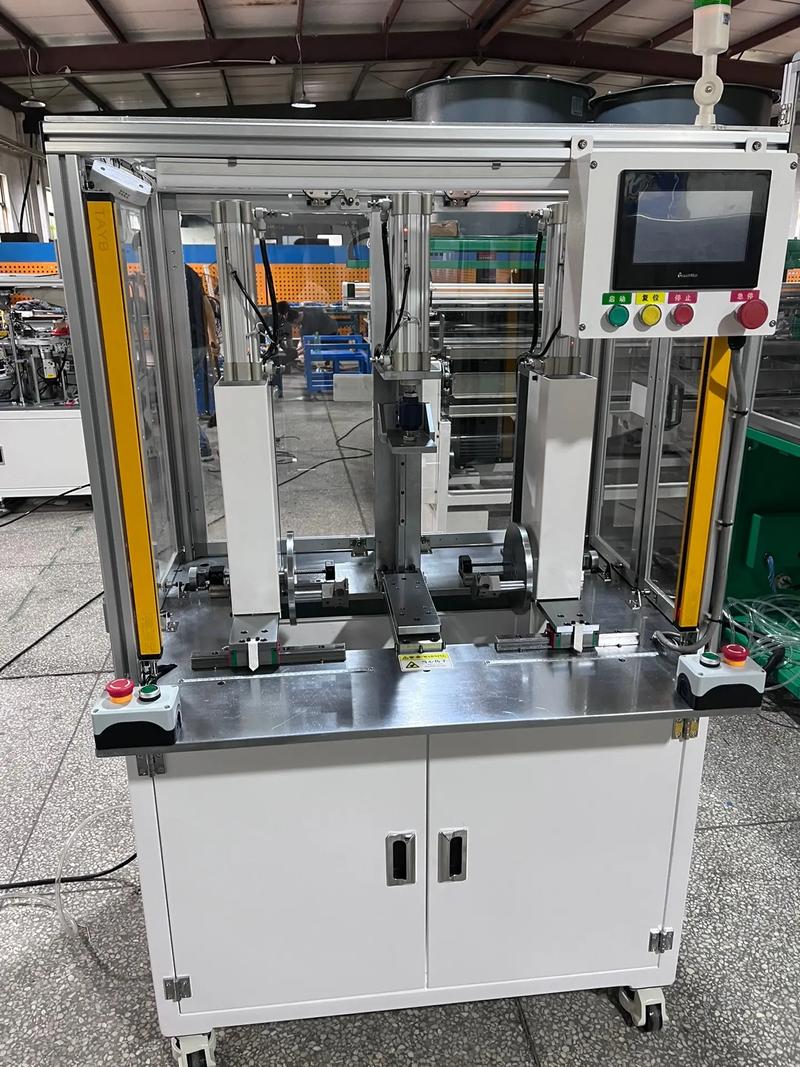
When discussing automation solutions, it’s essential to bridge the gap between understanding and implementation. Whether you're a manufacturer or an engineer looking for ways to enhance your production line, this article will explore various aspects of automation through a comparison of different systems.
1. Understanding Automation Solutions
The first step is recognizing the importance of automation in modern industrial settings.
Differentiating between basic and advanced automation solutions, highlighting their unique features.
2. Comparing Basic vs Advanced Automation Systems
Advantages of Basic Automation: Lower initial investment, easier to implement.
Disadvantages of Basic Automation: Limited scalability, potential for human error.
Advantages of Advanced Automation: Higher efficiency, reduced maintenance costs.
Disadvantages of Advanced Automation: Higher initial cost, complex integration process.
The choice between these systems largely depends on the specific needs and budget constraints of your business. For instance, a small manufacturing company might opt for basic automation due to its lower upfront costs, while a large enterprise with more stringent requirements may require advanced automation solutions.
In conclusion, selecting the right automation solution is crucial for optimizing productivity and reducing operational costs. By understanding both the benefits and limitations of each system, you can make an informed decision that best suits your business needs.